
How to Pass a Kitchen Inspection in NH: A Practical Guide for Businesses
This is a subtitle for your new post
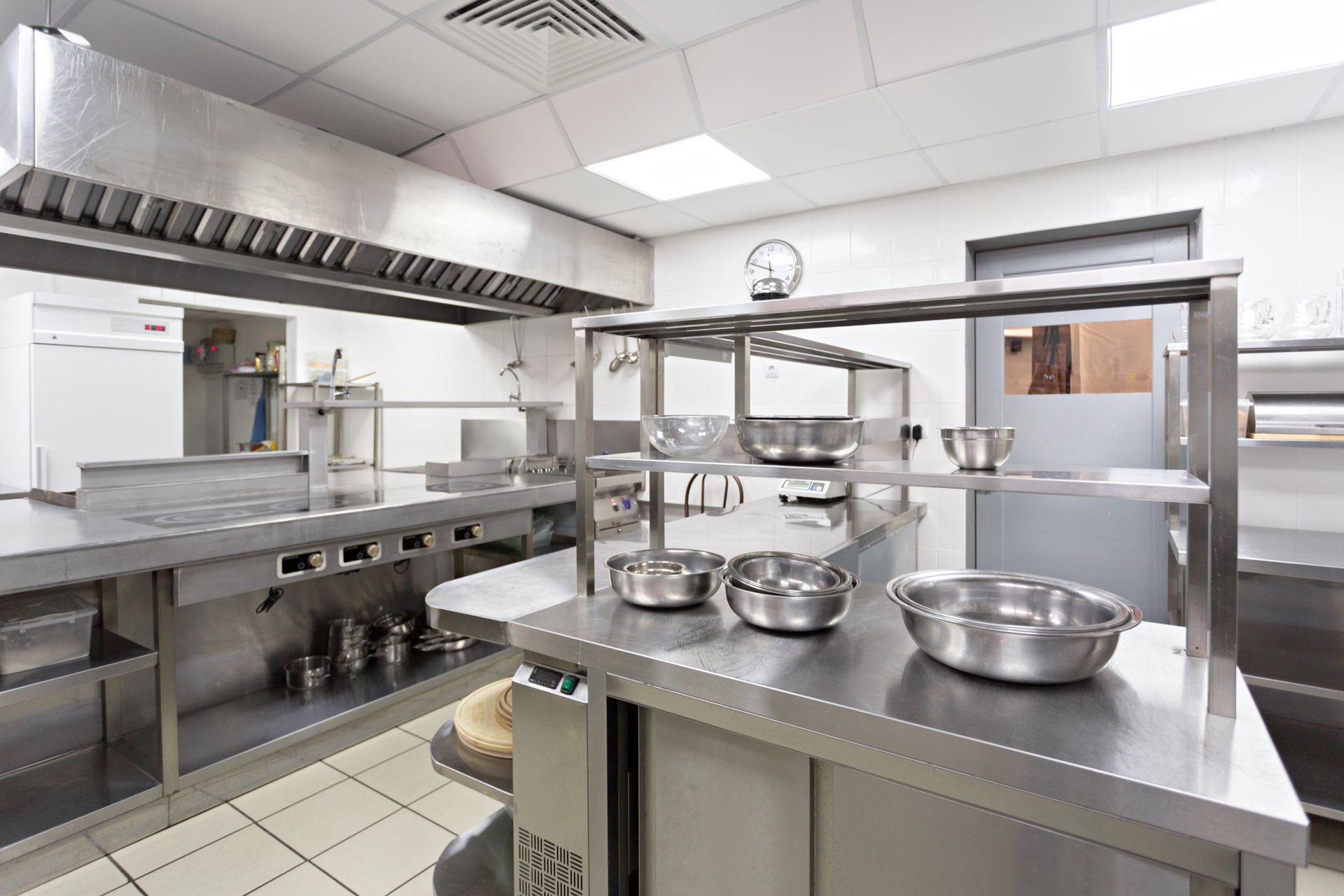
Every food business in New Hampshire faces the same question at some point: how do we make sure we pass our next kitchen inspection? Between maintaining equipment, managing grease, and keeping high-traffic prep areas clean, staying compliant takes planning.
New Hampshire food inspections are overseen by the
NH Department of Health and Human Services (DHHS) and focus on food safety, sanitation, and conditions that protect public health. This guide outlines the most important steps to prepare and highlights cleaning services that can help your kitchen stay compliant year-round.
Understanding NH Food Code Requirements
New Hampshire follows food safety standards designed to reduce the risk of foodborne illness and ensure safe food handling practices. Inspectors evaluate whether kitchens consistently meet these requirements during both routine and complaint-based inspections.
Key areas of compliance include:
- Maintain approved temperature controls
- Prevent cross contamination with proper storage
- Use safe handwashing and hygiene procedures
- Keep equipment clean and in good repair
- Follow approved sanitizing practices
Professional cleaning supports compliance by removing grease buildup, improving airflow, and ensuring that equipment meets sanitation expectations.
Common Reasons Kitchens Don’t Pass the Inspection
Many inspection issues stem from problems that build up over time rather than sudden mistakes. Grease accumulation, inconsistent cleaning routines, and overlooked maintenance can quickly lead to violations. Understanding these common problem areas makes it easier to correct them before an inspector arrives.
Some issues appear frequently in inspection reports. Avoiding them increases your chance of passing on the first visit:
- Improper cold or hot holding temperatures
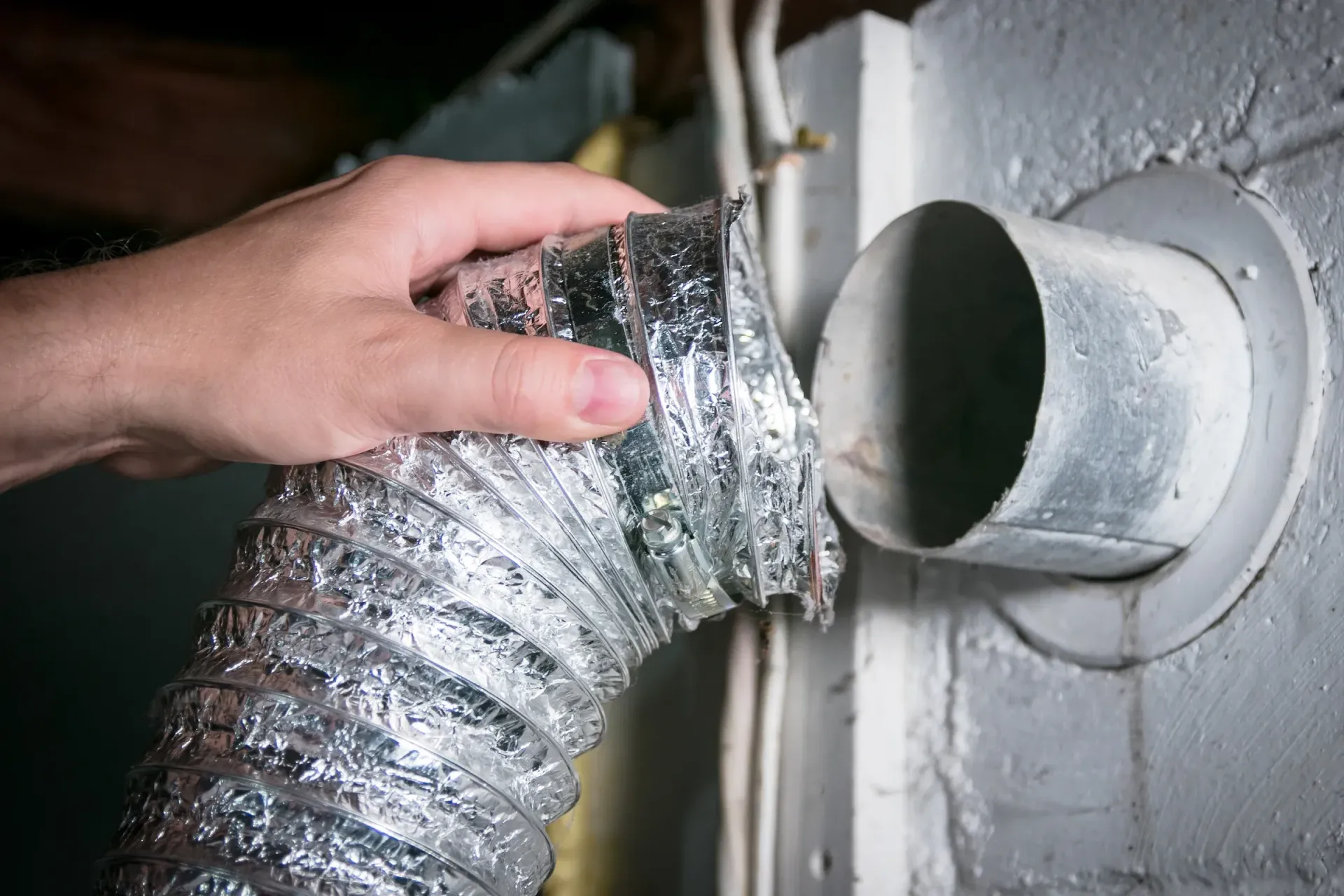
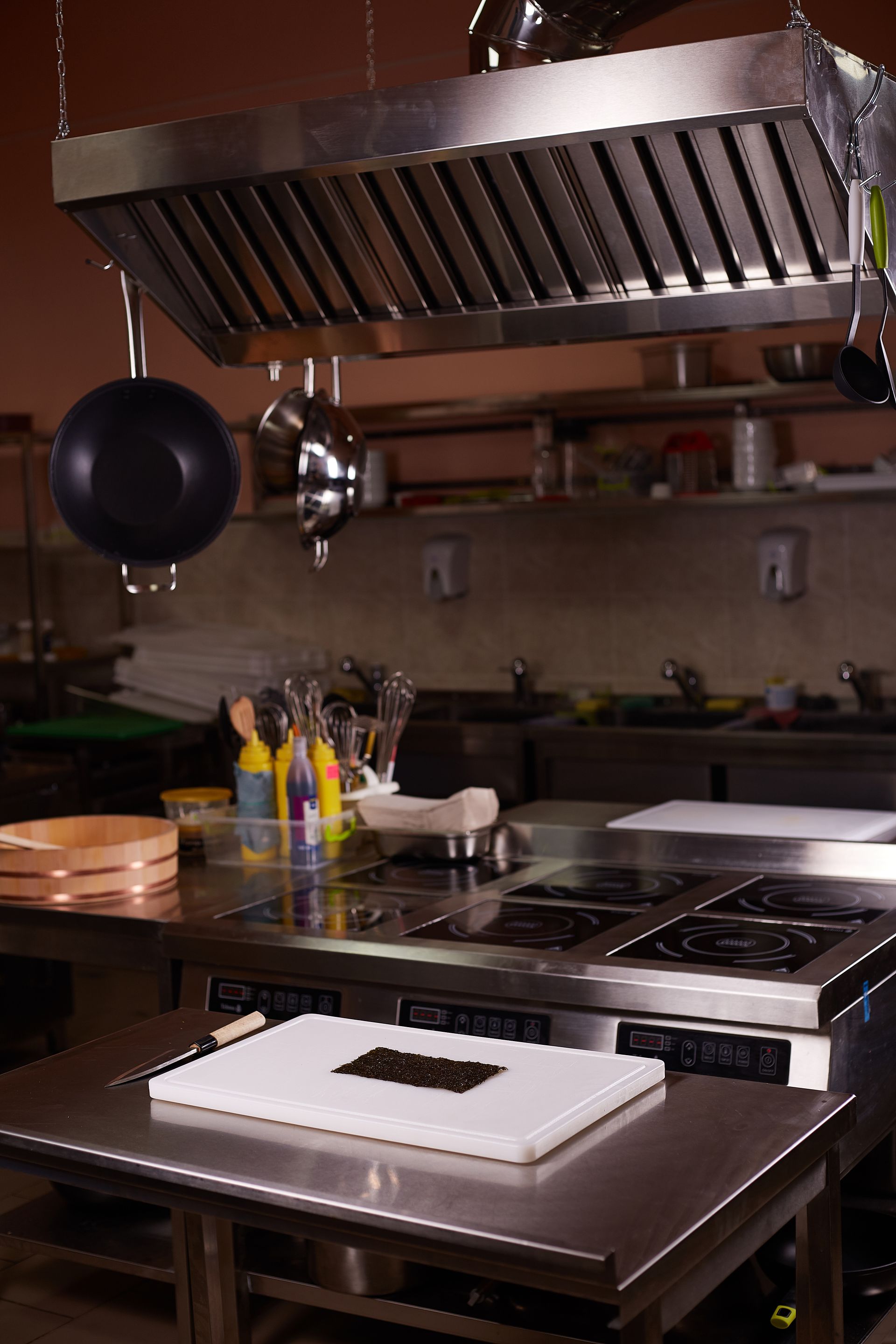
- Dirty hoods or vents with grease residue
- Overflowing or poorly maintained grease traps
- Blocked or unstocked handwashing sinks
- Cross contamination risks in storage areas
- Unsanitary prep surfaces or damaged cutting boards
- Improper chemical storage
What Happens If You Do Not Pass
If the inspector identifies violations, you will receive a written report with required corrections. Some issues must be fixed immediately while others allow a short correction window. Once resolved, a follow up inspection confirms compliance.
What NH Kitchen Inspectors Look For
Inspections in New Hampshire focus on conditions that protect public health. Inspectors evaluate how food is handled, stored, prepared, and served, as well as how clean and well maintained the kitchen is.
Key Areas of Evaluation
Inspectors pay close attention to daily operational habits and overall cleanliness. Even small lapses can raise concerns if they increase contamination risk or indicate inconsistent procedures.
- Food temperatures
- Employee hygiene practices
- Cleanliness of equipment and prep surfaces
- Grease and waste management
- Pest control
- Condition of ventilation systems
- Storage organization and labeling
Kitchen Health Inspection Checklist
Preparing for an inspection is easier when you can quickly confirm that all major areas meet expectations. This checklist covers the most common items inspectors review during a visit.
| Category | What to Confirm |
|---|---|
| Food Storage | Safe holding temperatures and proper labeling |
| Handwashing | Stations stocked and accessible |
| Surfaces | Cutting boards and prep areas fully sanitized |
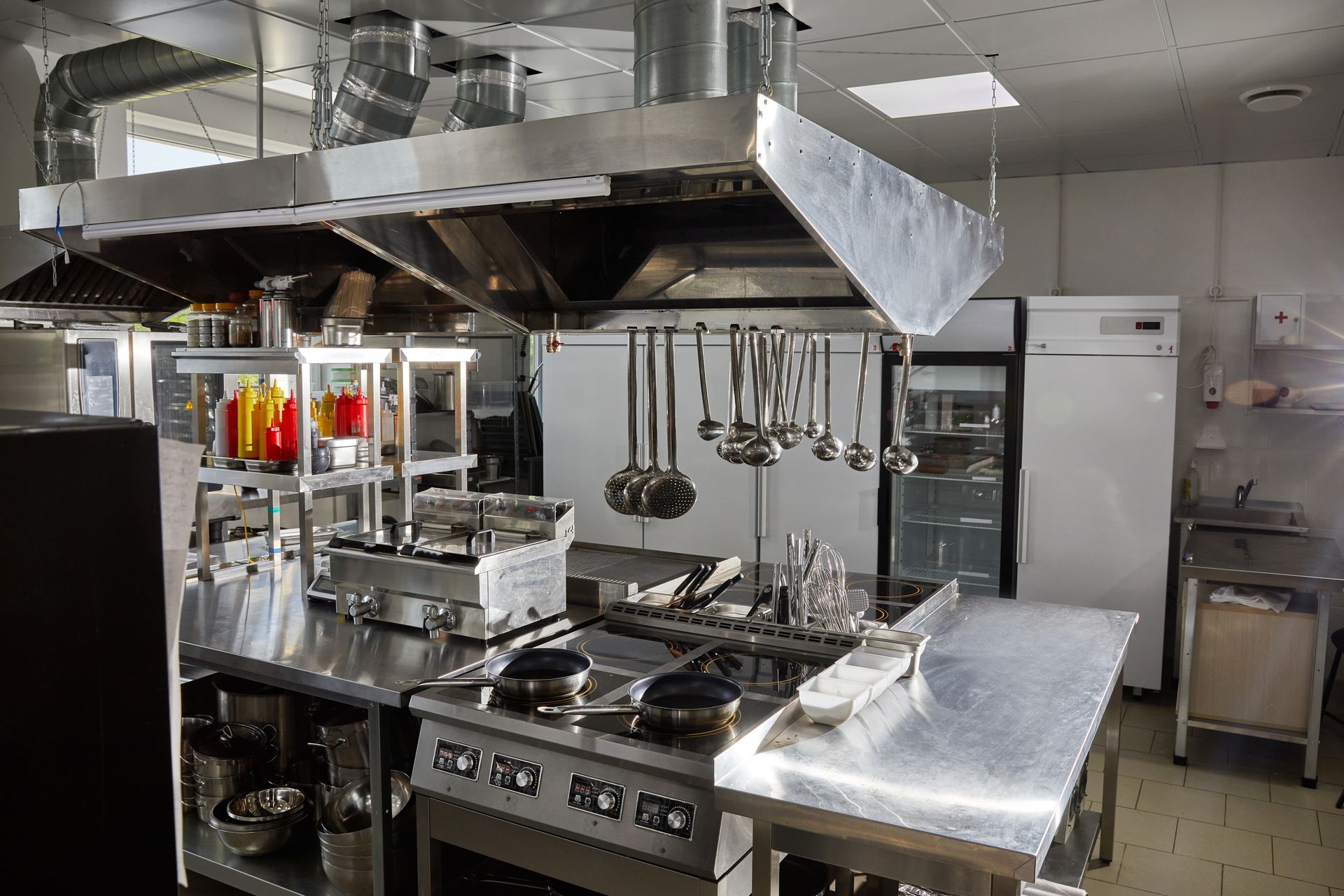
| Ventilation | Hoods and cooking equipment free of grease |
| Waste | Bins sealed and emptied regularly |
| Grease Traps | No overflow or buildup |
| Structural Cleanliness | Floors, walls, and ceilings clean |
| Equipment | Calibrated thermometers available |
| Pest Control | No visible signs of pests |
| Chemical Safety | Chemicals labeled and stored correctly |
How Professional Cleaning Helps You Stay Compliant
Professional kitchen cleaning plays a critical role in inspection readiness. Many violations are tied to grease, residue, and hard-to-reach areas that standard daily cleaning can miss. Scheduled professional services help ensure your kitchen consistently meets sanitation expectations set by NH DHHS.
By addressing these problem areas proactively, businesses reduce last-minute stress and lower the risk of inspection setbacks.
Professional Service Benefits
Professional cleaning services focus on the areas inspectors pay the closest attention to. While daily staff cleaning is essential, it often can’t reach ventilation systems, internal equipment surfaces, or high-use zones that require specialized tools and expertise.
Regular professional service helps maintain sanitation standards, improve kitchen safety, and reduce the risk of violations during NH health inspections.
- Hood cleaning prevents grease accumulation and supports proper ventilation
- Oven cleaning keeps equipment sanitary and improves performance
- Grease trap cleaning prevents backups and meets NH waste guidelines
- Deep cleaning reduces contamination in high-use areas
These services give inspectors fewer reasons to flag your kitchen for sanitation-related issues.
Maintaining a Clean Kitchen Year-Round
Passing one inspection is not enough. Consistent routines make future inspections predictable and stress-free.
- Create daily and weekly cleaning schedules
- Schedule routine hood, oven, and grease trap cleaning
- Keep logs for food temperatures and sanitation
- Train new staff regularly
- Review storage systems each week
Temperature and Storage Standards to Maintain Every Day
Keeping foods at safe temperatures and storing ingredients correctly are foundational requirements in NH kitchens. These daily habits help prevent contamination and keep your inspection results on track.
✔ Cold foods stay at 41°F or below
✔ Hot foods remain at 135°F or above
✔ Raw meats are stored under ready-to-eat products
✔ All items are labeled with preparation or expiration dates
✔ Refrigeration units have working thermometers
✔ Staff understand how to prevent cross-contamination
Keeping Your NH Kitchen Clean, Safe, and Inspection Ready
A smooth kitchen inspection comes down to consistent cleaning, proper food handling, and equipment that is cared for daily.
At Durling Cleaning, we help New Hampshire businesses stay ahead of violations with reliable hood cleaning, oven cleaning, and grease trap services. When your kitchen is clean, organized, and maintained, inspections become much easier to navigate.
If you want extra support preparing for your next visit from DHHS, contact us today to help you stay compliant year-round.
FAQs
What are common violations food inspectors find?
Common violations include improper food temperatures, grease buildup in hoods and vents, blocked handwashing sinks, cross-contamination in storage areas, and unsanitary prep surfaces. Many of these issues result from inconsistent cleaning or maintenance rather than one-time mistakes.
How often are kitchen inspections required in New Hampshire?
Inspection frequency depends on the type of food establishment and its risk level. Most food service businesses receive routine inspections annually or more often if they handle higher-risk foods, according to NH DHHS guidelines.
Can I fail a kitchen inspection for grease buildup?
Yes. Grease buildup in hoods, vents, or on cooking equipment can result in violations because it affects sanitation, airflow, and fire safety. Regular professional hood and grease trap cleaning helps prevent this issue.
Does professional cleaning help with passing a kitchen inspection?
Absolutely. Professional cleaning addresses areas inspectors routinely flag, including ventilation systems, ovens, grease traps, and hard-to-reach surfaces. Consistent service helps keep your kitchen inspection-ready and reduces the risk of repeat violations.