
How Often to Clean Restaurant Hoods: A New Hampshire & New England Guide
Operating a commercial kitchen is a fast-paced balancing act of food quality, staff management, and strict safety standards. Amid the daily rush, one critical maintenance task can easily slide under the radar until it becomes an emergency: commercial exhaust hood cleaning. Understanding how often to clean restaurant hoods is a vital fire safety practice and a strict legal mandate across New England.
Whether you operate a bustling diner in Keene, a seasonal café near Mount Monadnock, or a high-volume restaurant in Massachusetts, staying ahead of grease accumulation keeps your doors open and your kitchen safe.
Why Restaurant Hood Cleaning Frequency Matters
A busy commercial kitchen relies heavily on its ventilation system to pull away heat, smoke, and vaporized grease. Over time, that grease cools and solidifies along the interior walls of your hood, filters, and ductwork. If left unchecked, this buildup turns your exhaust system into a highly flammable fuse waiting for a single spark from the cookline.
For restaurant owners in NH, VT, and MA, the consequences of falling behind extend well beyond the fire risk itself:
- Failed Inspections & Closures: Local fire marshals and health inspectors can issue citations or enforce immediate forced closures of your kitchen.
- Insurance Claim Denials: If a fire occurs and you cannot produce a documented cleaning history from a certified provider, your insurance company can deny the property damage claim entirely.
- Premium Hikes: Operating without verified maintenance records can lead to steep increases in insurance premiums.
- Personal Liability Exposure: Missing maintenance records during a fire investigation can expose ownership to significant personal legal liability.
The math is straightforward. A professional hood cleaning typically costs a few hundred dollars per visit. A grease fire can cause tens of thousands of dollars in physical damage, and that is before accounting for lost revenue during closure, the cost of full equipment replacement, and the long-term impact on your reputation.
That’s why routine cleaning is one of the highest-return investments a restaurant owner can make.
Commercial Kitchen Hood Cleaning Code Requirements
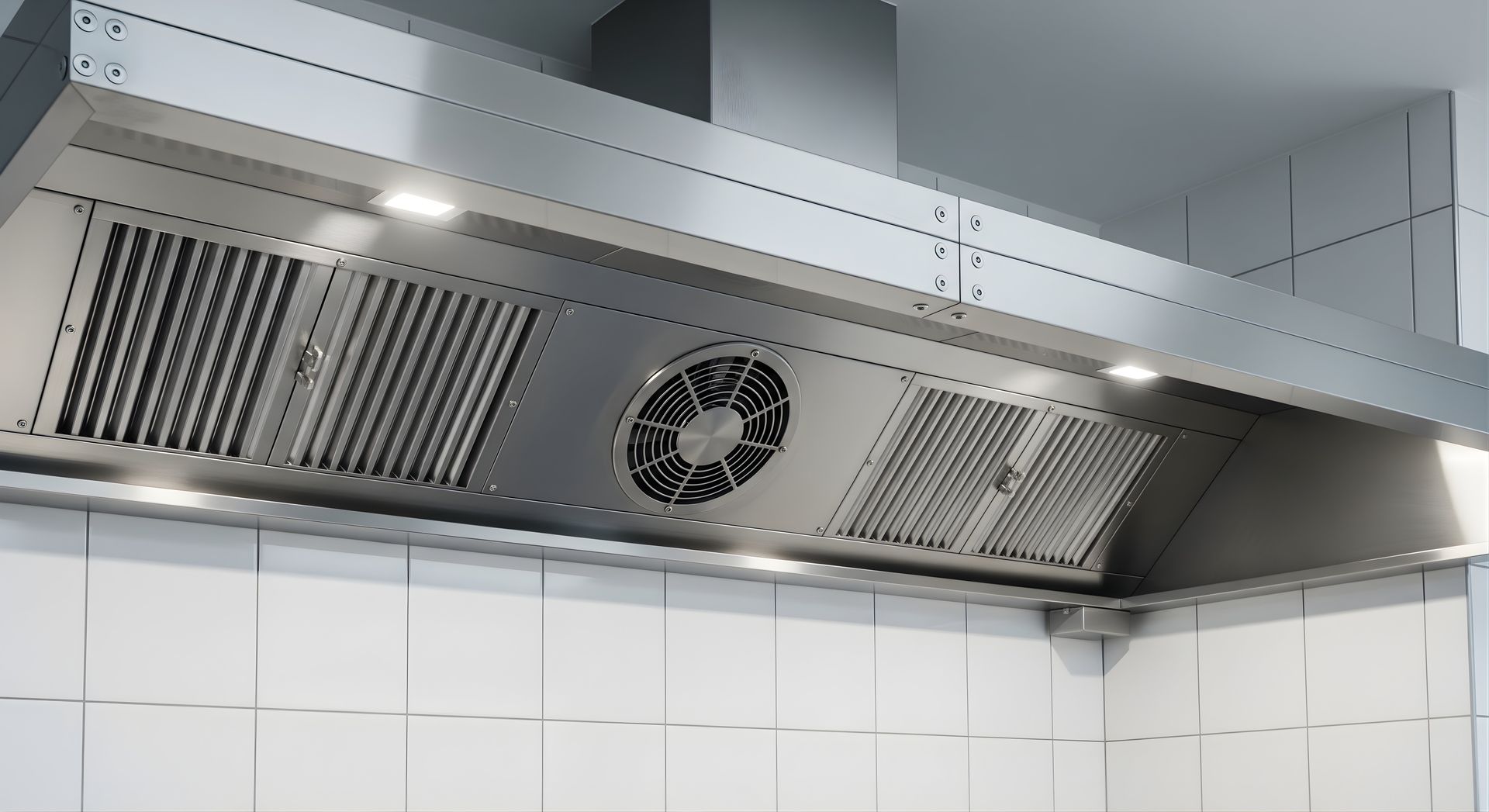
Navigating commercial kitchen hood cleaning code requirements can be complex, as rules vary by state and align with regional fire safety frameworks. In New England, the baseline authority for kitchen ventilation safety is the National Fire Protection Association’s NFPA 96 standard. This standard governs the ventilation control and fire protection of commercial cooking operations.
Here is how each state in our service area has adopted and enforced these guidelines:
- New Hampshire: Adopted the NFPA 96 (2021 edition) as an enforceable part of the NH State Fire Code under NFPA 1. (Source: NH Division of Fire Safety)
- Vermont: References NFPA 96 directly within the strict framework of the Vermont Fire & Building Safety Code. (Source: Vermont Division of Fire Safety)
- Massachusetts: Adopted NFPA 96 under 527 CMR 1.00, Chapter 50. Notably, Massachusetts enforces some of the strictest standards in the nation, requiring all commercial hood cleaners to hold a state-issued certificate of competency. (Source: Mass.gov)
Note: Think of NFPA 96 as the floor, not the ceiling. Local fire marshals in municipalities like Keene, Peterborough, Claremont, Brattleboro, and Milford may enforce additional documentation requirements or conduct unannounced inspections on their own municipal schedules.
NFPA 96 Cleaning Frequency Requirements
To answer the fundamental question of “how often should commercial kitchen hoods be cleaned?”, the NFPA 96 establishes minimum cleaning frequencies based on your specific cooking fuel types and operational volume.
| Frequency | Kitchen Type | Examples |
|---|---|---|
| Monthly | Solid fuel or very high-volume operations | Wood-fired pizza ovens, charcoal grills, 24-hour diners |
| Quarterly | High-volume with regular charbroiling or frying | Fast-food chains, high-traffic commercial fry lines, and kitchens open 16+ hours/day |
| Semi-annually | Moderate-volume with mixed cooking methods | Standard full-service sit-down restaurants, hotel kitchens |
| Annually | Low-volume with minimal grease production | Churches, seasonal day camps, small community centers |
One important note: these timelines represent the bare minimum. If a code official or licensed inspector finds that your system is heavily contaminated during a routine inspection, a complete system cleaning is required immediately, regardless of when your next service was originally scheduled.
How NH, VT, and MA Enforce These Standards Locally
While the structural code framework comes from state legislation, real-world enforcement happens on Main Street. Local fire departments and health inspectors conduct on-site evaluations, and their specific administrative demands can vary from town to town.
During a typical local inspection, fire marshals look for three main compliance markers:
- A visible, unexpired inspection sticker affixed directly to the hood canopy showing the date of service and the name of the cleaning company.
- An organized file of written certificates or detailed service records provided by a qualified exhaust cleaning contractor.
- Verification that the entire exhaust system was serviced, not just the parts visible from the kitchen floor.
In Massachusetts, this enforcement is tied directly to credentials. Anyone inspecting or cleaning commercial exhaust systems must hold a valid certificate of competency issued by the State Fire Marshal. Hiring an uncertified or unlicensed provider means the work is non-compliant, leaving your business exposed to code violations.
How to Determine the Right Cleaning Schedule for Your Kitchen
Because no two commercial kitchens operate exactly the same way, relying solely on the baseline code table might not provide your facility with adequate protection. Evaluating your specific kitchen environment helps establish a safer, more realistic cleaning cadence.
Factors That Affect Your Cleaning Frequency
- Cooking Methods: Charbroilers, open flames, woks, and heavy deep-frying produce vast amounts of vaporized grease. If your menu centers on these styles, your system will require more frequent cleaning intervals than a kitchen that primarily bakes, steams, or sautés.
- Hours of Operation: A kitchen running 16 to 24 hours a day accumulates grease at an accelerated rate. Extended operating hours push your compliance window closer to a monthly or quarterly requirement.
- Volume and Cover Counts: A restaurant turning over 300 covers on a Friday night generates a fundamentally higher volume of exhaust residue than a small neighborhood café serving 40 people a day.
- Fuel Types Used: Solid fuel cooking methods, such as wood-fired ovens or charcoal grills, produce heavy, sticky creosote and ash deposits. These residue types accumulate rapidly and burn at incredibly high temperatures, which is why NFPA 96 defaults all solid-fuel operations to a mandatory monthly schedule.
- Seasonality: New England tourist spots often close down or scale back during winter. Seasonal facilities may qualify for lower cleaning frequencies, provided their actual volume during peak operational months remains low.
What Happens During a Professional Hood Cleaning
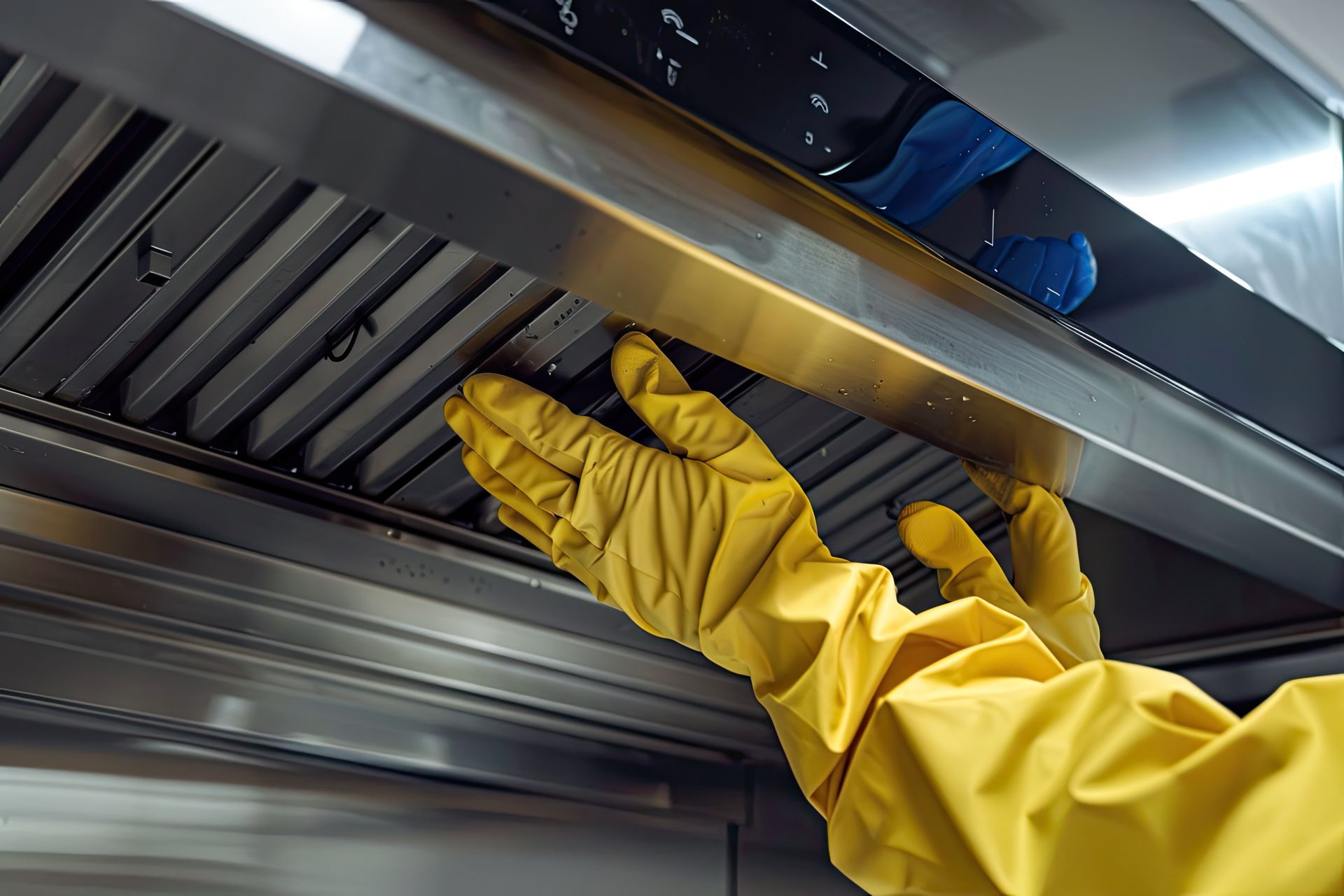
A professional commercial kitchen hood cleaning is highly technical. True code compliance cannot be achieved with a quick wipe-down of the visible stainless steel or an amateur pressure wash of the canopy.
A thorough, code-compliant cleaning involves a meticulous, top-to-bottom system service:
- Full System Inspection: Technicians assess the exhaust system from the kitchen canopy to the rooftop exhaust fan, identifying issues such as damaged ductwork, missing access panels, or failing fan components.
- Hood Canopy Degreasing: The interior surfaces of the hood canopy are scraped, treated with specialized food-safe degreasers, and pressure-washed to remove accumulated grease layers.
- Baffle Filter Service: Filters are removed from the hood, thoroughly degreased down to bare metal, and carefully reinstalled.
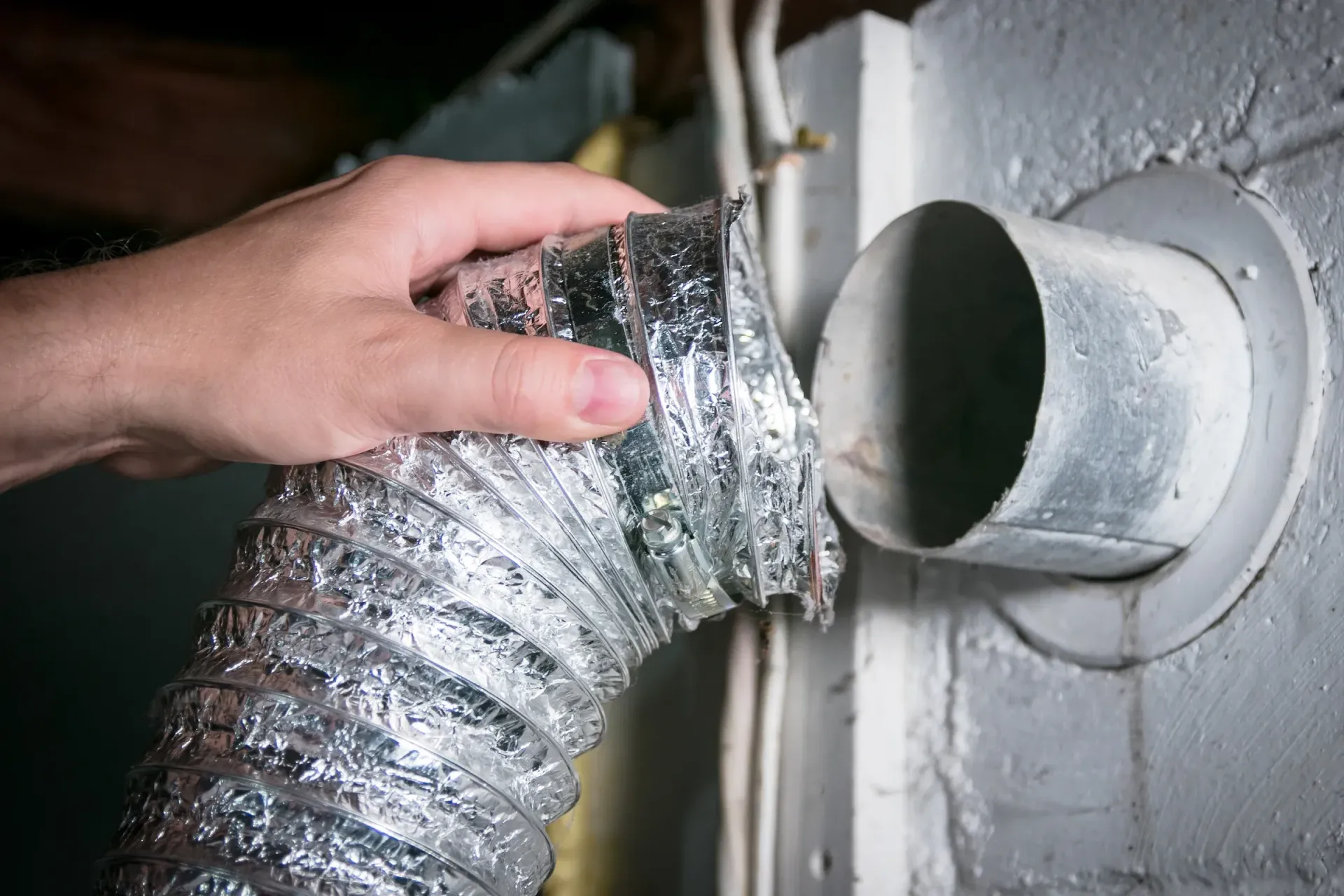
- Ductwork Cleaning: Access panels are used to reach the hidden vertical and horizontal sections of the exhaust duct running through ceilings or walls, removing hidden fire hazards.
- Rooftop Exhaust Fan Service: The fan is safely tipped back, disassembled, cleaned, and cleared of structural grease. This critical step prevents fan motor failure and roof structural damage.
- Final Polish and Documentation: The exterior kitchen stainless steel is polished, and an official, dated service certificate or compliance sticker is applied to the hood.
NFPA 96 dictates that all interior system surfaces must be cleaned to bare metal. Fire marshals know how to spot a superficial surface clean, and a subpar job will quickly lead to a failed inspection report.
Certificates of Cleaning and Why Documentation Matters
When an inspector walks through your back door, they will require proof. After a professional service is complete, your contractor must provide a physical certificate of cleaning or apply an official service sticker directly onto the exhaust hood.
This documentation serves multiple purposes:
- Inspection Compliance: Fire marshals across NH, VT, and MA routinely cross-reference these stickers during site visits. A missing or expired sticker is an automatic red flag.
- Insurance Audits: In the event of an incident or an insurance renewal audit, these records prove you have maintained a safe working environment.
- Massachusetts Serial Tracking: Since 2022, Massachusetts has required specific service labels with sequential serial numbers to ensure tracking and accountability across the state.
Keep all paper certificates organized in a designated compliance binder near the manager's desk, and back them up with digital photos on your phone. Being able to produce these records instantly builds immediate trust with local safety officials.
Common Mistakes Restaurant Owners Make
Even well-intentioned operators frequently stumble into compliance issues. Avoid these five common pitfalls to protect your business:
- Relying on Kitchen Staff for Deep Cleaning: While your line cooks can wipe down exterior surfaces and run filters through the dishwasher, they lack the tools, safety equipment, and legal certifications required to clean ductwork and rooftop fans safely.
- Cleaning Only the Visible Canopy: Ignoring the hidden vertical duct runs and rooftop fans creates a dangerous false sense of security. The most severe kitchen fires start out of sight inside the ductwork.
- Assuming Annual Cleaning is Always Enough: A high-volume commercial kitchen relying on a yearly cleaning schedule is highly likely to violate local fire safety codes and create an active fire hazard within months of its last service.
- Failing to Keep Physical Documentation: If a cleaning isn't documented with a valid certificate or a properly filled-out hood sticker, code enforcement officers will treat it as if the work never happened.
- Waiting for an Inspection Notice to Schedule Service: Scrambling to find an available certified cleaner after receiving a warning code violation notice puts undue stress on your operation. Maintain a proactive, recurring schedule instead.
Keeping Your Restaurant Compliant in the Monadnock Region and Beyond
Maintaining a compliant commercial kitchen requires consistency, expert knowledge, and reliable local partners. At Durling Cleaning, we provide business owners throughout New Hampshire, Vermont, and Massachusetts with certified, dependable, and code-compliant commercial kitchen exhaust cleaning services.
Don't wait for a surprise visit from the local fire marshal or an unexpected system failure to audit your safety protocols. Let our team handle the dirty work so you can focus on running a successful kitchen.
Contact the Commercial Service Experts at Durling Cleaning Today to discuss your kitchen's layout, evaluate your volume, and set up an automated, worry-free maintenance schedule tailored to your business.
FAQs
How often does a restaurant hood really need to be cleaned?
The actual frequency depends entirely on your cooking volume and fuel type. While high-volume charbroiling operations require quarterly service and solid-fuel setups need monthly cleanings, standard sit-down restaurants generally require service semi-annually (every 6 months).
Can my kitchen staff clean the hood instead of hiring a professional?
No. Daily surface wiping can be done by staff, but comprehensive, code-compliant cleaning requires specialized equipment to reach ductwork and rooftop exhaust systems. Furthermore, states such as Massachusetts legally mandate that this work be performed by certified professionals holding an official certificate of competency.
Will I get fined if my restaurant hood isn't cleaned on schedule?
Yes. Local fire marshals and health departments have the legal authority to issue written warnings, levy heavy financial fines, or completely suspend your commercial kitchen operating license if your system fails code inspections.
Do I need to show proof that my hood was professionally cleaned?
Always. You must display an unexpired, dated service sticker on the hood canopy and maintain physical or digital service certificates on-site for fire inspectors, health code officials, and insurance adjusters upon request.
What's the difference between hood cleaning and full exhaust system cleaning?
Hood cleaning often refers to washing just the visible stainless steel canopy inside the kitchen. A full exhaust system cleaning is a comprehensive process that strips grease away down to bare metal across the entire system run, including the canopy, the internal baffle filters, hidden structural ductwork, and the rooftop exhaust fan. Contact Durling Cleaning to schedule yours.
Does New Hampshire have its own hood cleaning requirements separate from NFPA 96?
New Hampshire enforces the NFPA 96 standard as part of its official state law by adopting it directly into the NH State Fire Code under NFPA 1. Local municipalities within New Hampshire follow this code, but may apply localized record-keeping and inspection procedures.